Even with all the support and money allocated to the fight against Malaria, AIDS, and Tuberculosis, The Global Fund is taking no chances and continuing to fight the deadly viruses which affect Africa and other Eastern countries. The Global Fund is going to allocate the $17 million to two organizations which are focused on the prevention and care for HIV/AIDS.
The first organization which will be receiving a budget of $11.4 million US dollars is, Key Populations – Representation, Evidence and Attitude Change for Health Impact’ (KP REACH). KP REACH will be focusing on countries which are most affected by HIV: South Africa, Swaziland, Lesotho, Namibia, Zimbabwe, Botswana, Zambia, and Malawi.
The second organization to receive funding is The Kenya AIDS NGO Consortium (KANCO). The organization will be funded $5.5 million US dollars to help with research to help curb the HIV rise.
With drug usage a major concern, and the sharing of needles leading the epidemic. The money is expected to help the spread of dirty needles, as well as deter drug usage as a whole. This initiative is The Global Fund’s attempt to finally eradicate the deadly virus. As they look to fight off Malaria, HIV/AIDS is beginning to take a more prominent role in their eyes due to the numbers of lives being lost daily.
With the recent allocation, officials are hoping to get help from the states which are being given funds to truly take advantage and understand what is at hand.
For more Global Fund information, please visit Scott Filler’s Official website.


 Not only is Apple contributing to the cause, Starbucks, Gap, and J Crew are joining the initiative to raise awareness and money for Aids. The deadly disease claims approximately one million lives a year. The goal of this years (Red) campaign is to raise awareness and research since many infected simply do not go tested due to embarrassment. Although there is no definitive cure to HIV/AIDS, there are ways to treat the disease to a certain extent.
 close to one hundred million dollars between Thanksgiving and the 7th.
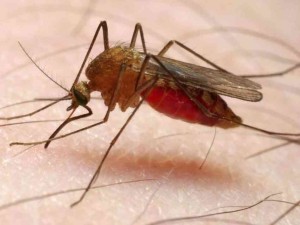 Senegal, which is situated on the western coast of Africa, has become a place that sets the example for the rest of Africa on how to keep malaria from ravaging a community of people. Malaria will claim over 600,000 victims before the end of 2014 and most of them are young African children. A small town in Senegal, known for its sugar cane fields, is battling the devastating disease because the sugar cane fields are an ideal breeding ground for millions of mosquitos. The Ministry of Health and World Health Organization are doing something about it. Both organizations are making sure that effective treatments are available nearby and health facilities with abilities to run rapid tests have also been made available. With these efforts, malaria has almost been wiped out in the community.